Pokhara beyond Lakeside is a city of working neighbourhoods, market streets, museums and different relationships with the surrounding lakes. A rewarding visit does not require fitting every landmark into one day. Choose a small area, allow time to understand it and leave room for ordinary activity between the named sights.
This guide offers three starting points: the old bazaar, the International Mountain Museum and the Begnas area. They suit different interests and should be planned around current weather, transport, opening arrangements and the needs of the people travelling together.
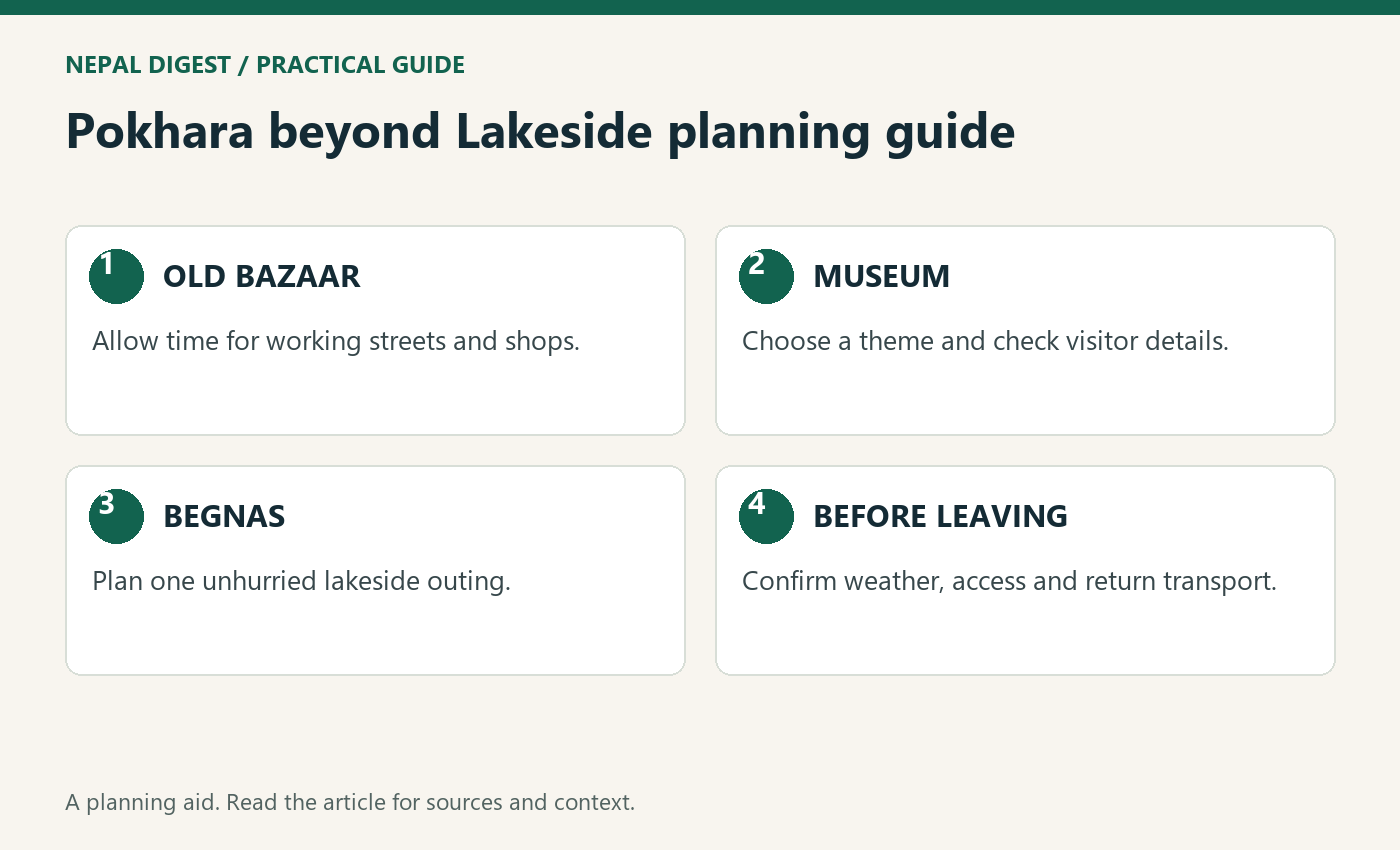
Table of Contents
Start with Pokhara old bazaar
The Nepal Tourism Board’s Pokhara overview describes the old bazaar as a traditional trading area with temples and architecture bearing similarities to the Kathmandu Valley’s Newari buildings. It also identifies Bindhyabasini Mandir as an important shrine in the old town. These provide a useful orientation rather than a promise of a fixed walking circuit.
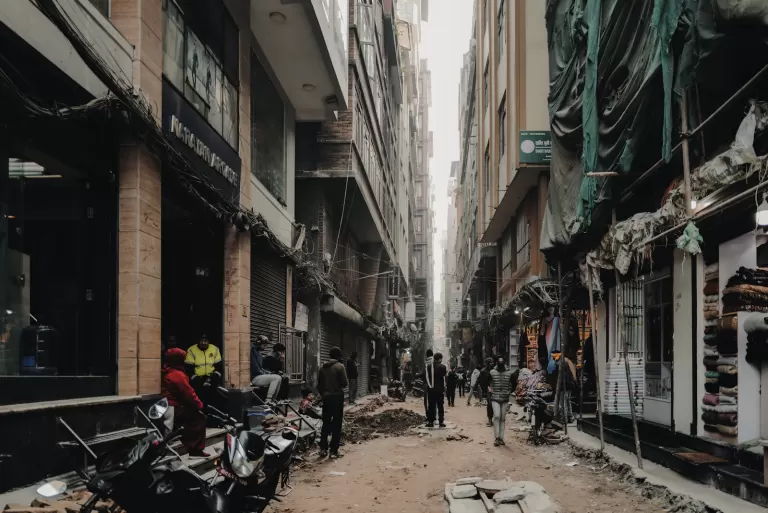
Begin with a modest walk around the market area instead of treating the neighbourhood as an outdoor exhibition. Look at how shops, homes and religious spaces share the streets. Pause where there is room to stand without obstructing a doorway or a delivery, and ask before photographing people at work.
A market visit becomes more interesting through specific questions. If a shopkeeper has time, ask about one product or a preparation you do not recognise. Buy something you actually want, accept that some people will be busy and avoid expecting every transaction to include a cultural performance.
Visit a shrine as a guest
At Bindhyabasini or another religious site, follow the arrangements shown at the entrance and any guidance given by attendants. Access to some areas may differ from access to the surrounding grounds. A visitor should ask rather than assume that a photograph, a doorway or a ceremony is open to everyone.
Allow worshippers to move and pray without turning their visit into your subject. Keep a comfortable distance, avoid blocking steps and put a camera away when requested. A quiet observation from an appropriate public area can be more rewarding than trying to capture every detail.
Consider the practical needs of your group before adding a hilltop shrine to the day. Ask about steps, resting places and the closest suitable vehicle drop-off. If the route does not work for someone travelling with you, choose another activity rather than making their access needs an afterthought.
Use the mountain museum to add context
The International Mountain Museum’s official site identifies the Nepal Mountaineering Association as the organisation that initiated the museum in Pokhara. Its collections provide a reason to spend time learning about mountains rather than viewing them only as a distant skyline.
Before setting out, consult the museum’s visitor information for current admission categories, hours and contact details. The page also mentions a ramp at the right of the main entrance. Contact staff for the particular access information you need, including movement inside the building, rather than assuming that one ramp answers every question.
Give yourself a theme for the visit. You might focus on how equipment changed, how expeditions are documented or how mountain lives are represented. Read a small number of displays carefully and compare them. A museum is easier to remember when you leave with a few connected observations rather than a photograph of every label.
Give Begnas its own unhurried outing
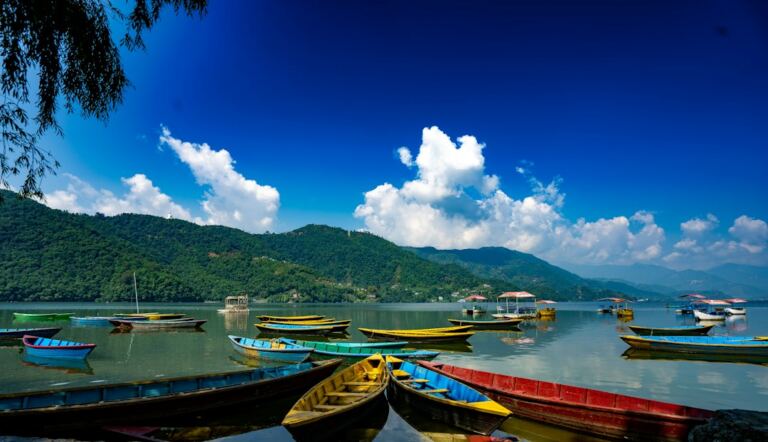
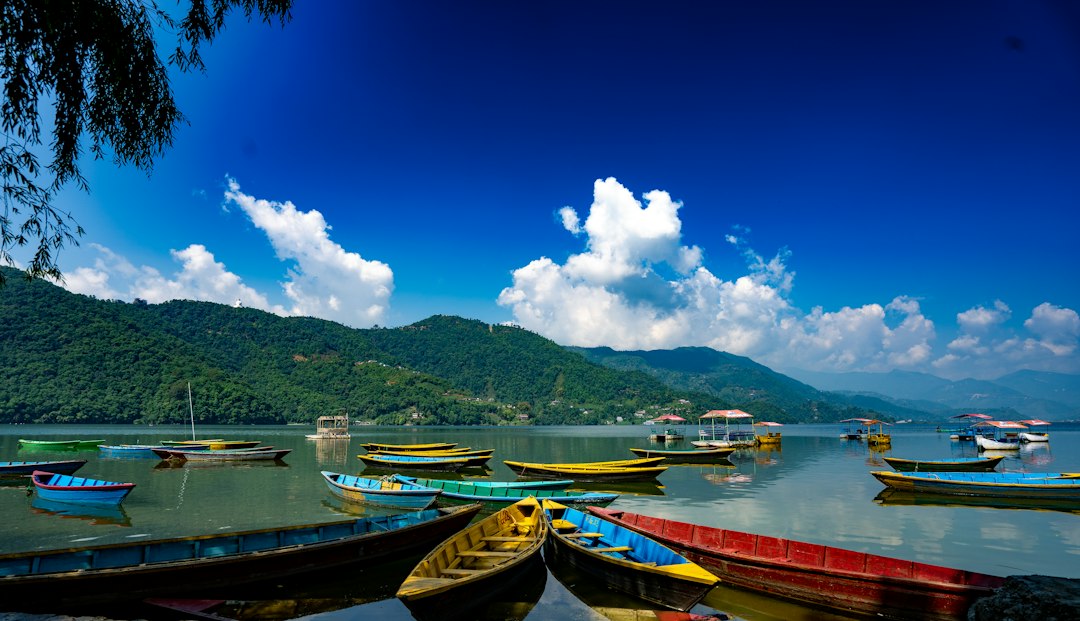
The Tourism Board lists Begnas and Rupa among the lakes outside the main city area. They offer a different starting point from Phewa’s busy Lakeside frontage, but an outing should still be planned around the journey, the weather and the activities you actually want to undertake.
For a simple Begnas visit, choose a place to arrive, a meal or refreshment stop and a reliable return arrangement. Confirm the route and likely journey time with a local transport provider on the day. Do not base a tight connection on a distance copied from an old brochure.
If considering a boat trip, check current operating conditions and the operator’s safety arrangements before committing. A shore visit remains a valid plan when conditions or group preferences do not suit boating. Never make a paid activity the only way the day can feel worthwhile.
Choose one of three manageable day plans
For a heritage-focused half day, spend the main part of the visit in the old bazaar and add a shrine visit only if access and timing work. Include a meal or tea break nearby. Leave enough time to return without rushing through a working neighbourhood at the end.
For a rainy-day or interpretation-focused outing, make the museum the main activity. Confirm it is open, arrange transport and allow time for a conversation afterwards. A café discussion about one display can be part of the experience rather than an empty gap between attractions.
For a lakeside change of pace, make Begnas the destination and keep the rest of the day flexible. Combining the old bazaar, a substantial museum visit and an outing beyond the city may turn a relaxed trip into a sequence of transfers. Choose according to your available time rather than the length of a sightseeing list.
Plan the ordinary details before leaving
Agree where the group will meet, how everyone will return and what you will do if the weather changes. Carry the address of your accommodation and enough payment options for the places you plan to use. Keep essential contact information available without depending entirely on a live internet connection.
Ask about actual conditions for the day, especially after heavy rain or when a route includes exposed ground or waterside steps. Use established public access and follow local restrictions. A general travel article cannot verify that a particular path or activity is suitable at the moment you arrive.
Build in rest, drinking water and a place to eat. Children, older travellers and people with different mobility needs may enjoy the same destination at a different pace. A smaller itinerary with comfortable breaks often produces a better shared memory than a full day that leaves someone behind.
Let the visit support the place
Choose services because they meet your needs and explain their offer clearly. Ask what a price includes before ordering a meal, hiring transport or joining an activity. If a maker discusses their work, respect their time and their decision about photographs or demonstrations.
Take rubbish away when an appropriate bin is unavailable and avoid entering private spaces for a better view. Share a location thoughtfully if posting publicly: a household doorway is not a visitor attraction simply because it looks picturesque.
Pokhara rewards attention to the small choices that make a visit comfortable for both guests and residents. For related planning ideas, see Nepal Digest’s guides to weekend travel and village homestays.