Tea is often the first thing people say about Ilam. A photograph of impossibly green slopes, the tidy lines of bushes, perhaps a faint sunrise lifting through the mist: this is eastern Nepal as it appears on calendars, brochures and phone screens.
The image is beautiful. It is also incomplete.
The district reaches into forests, settlements and ridgelines with different histories and uses. Its ponds carry religious meaning and ecological importance. Its market towns serve farmers and travellers. Its communities have traditions that cannot be reduced to the moment a visitor lifts a camera toward a plantation.
To understand Ilam, it helps to begin by turning away from the most familiar photograph.
A district, not a tea estate
The Nepal Tourism Board’s description of Ilam situates the district in far eastern Nepal, north of Jhapa, with India to the east. It notes considerable variation in elevation and a landscape shaped by the Jogmai, Puwamai, Mai and Deaumai rivers.
Tea is only one part of the agricultural economy. The same official guide lists cardamom, ginger, potatoes, milk, chillies and broom grass among the district’s important products. This diversity matters because it changes how the countryside looks and how people earn a living.
From a viewpoint, a cultivated hillside can seem like a permanent green carpet. On the ground it is a workplace. Fields need tending, produce needs transporting, roads need maintaining and prices need negotiating. Tourism’s visual relationship with agriculture can obscure the everyday labour that gives that landscape its form.
A responsible trip should move between the beautiful view and the realities it leaves out.
Shree Antu and the limits of a sunrise photograph
Antu Danda and nearby Shree Antu are known for morning views. The Tourism Board’s hill-stations guide mentions opportunities to see the hills and plains toward Darjeeling on clear days, along with local homestay accommodation.
That qualification—on clear days—should never disappear from a travel story. Weather is a participant in every hill-country itinerary. Mist, cloud and rain can obscure the horizon. Visitors who travel solely to reproduce a social-media sunrise photograph risk seeing a failed trip where local residents see an ordinary morning.
Shree Antu has a richer appeal: a slower pace, walking routes, family-run hospitality and the possibility of speaking to hosts about the crops, schools and seasons that shape local life. A homestay is not automatically community-led or equitable; its value depends on who owns it, how staff are paid and whether local culture is respected.
The best questions at a destination are often more revealing than the best viewpoint. What crops are harvested in this season? How did the road change the area? What happens here outside peak tourism periods?
A visitor who asks those questions leaves with something more durable than a sunrise image.
Mai Pokhari: a lake with more than one meaning
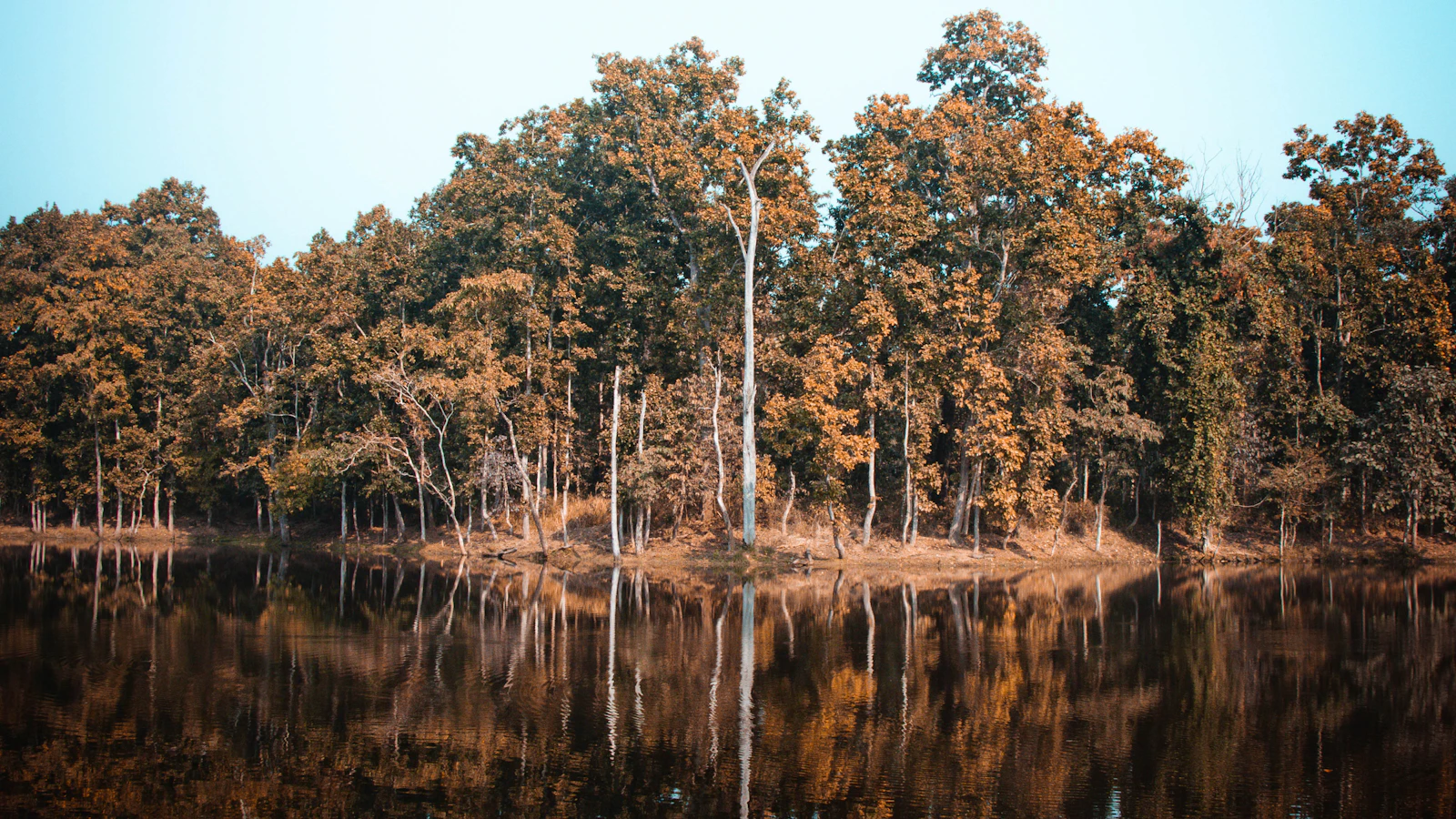
Mai Pokhari appears in conventional itineraries as a short excursion from Ilam Bazaar. The Tourism Board describes a forest-fringed lake associated with religious traditions and a distinctive nine-cornered form. Its setting is part of the attraction, but its formal conservation status should be taken just as seriously.
The Ramsar Sites Information Service identifies Mai Pokhari as Wetland of International Importance number 1850, designated on 20 October 2008, covering approximately 90 hectares. The Ramsar account describes a freshwater ecosystem sustained by rain and springs, a habitat with ecological importance and a place where Hindu, Buddhist and Mundhum-related traditions intersect.
A wetland is not simply a scenic pond. Its value extends through water systems, plants, birds and the relationships between species. An increase in visitors can bring livelihoods and conservation interest, but it can also bring litter, noise and pressure on trails, drainage and local services.
Visitors should approach the lake as a sensitive place of shared cultural and ecological responsibility. Feeding animals, introducing non-native organisms or leaving waste is not a harmless tourist activity. Nor is every sacred space an appropriate location for a loud group photograph.
The attraction here is partly the discipline of looking carefully.
Heritage that a camera cannot collect
The Tourism Board notes the significance of Lepcha heritage in Ilam and refers to a museum project in the Antu area. Because facility status, opening times and exhibits can change, travellers should verify what is actually operating before adding a museum visit to a rigid schedule.
That caution extends to cultural storytelling. Communities are not attractions whose identity can be summarised in a colourful costume or a paragraph about an ancient past. Heritage consists of language, relationships, knowledge and the ways people interpret and revise traditions in their own lives.
A visitor can begin with locally run interpretation, ask permission before photographing a person or religious ceremony, and avoid using one resident’s testimony as an explanation for everyone. Ilam’s cultural diversity is a reason for more careful reporting, not for a list of stereotypes.
Culture is not something the district merely preserves for outsiders. It is something people practice and argue about while living through contemporary changes.
The town between the destinations
Ilam Bazaar is often treated as a place to stop on the way elsewhere. Yet a town has attractions that are less easily indexed by a travel guide: morning commerce, students returning home, local produce arriving, small food businesses and the social rhythm around markets.
Fikkal and Kanyam similarly offer more than their place in a road itinerary. A market is where agricultural work, transportation, supply chains and consumption meet. The quality of a road or the cost of reaching buyers can matter as much to local enterprise as a new visitor centre.
Travellers who spend money in independently operated eateries, shops and accommodations can contribute to local business activity. But it is too simple to assume every purchase is automatically fair. Working conditions, quality and the distribution of revenue still matter.
The useful principle is to see hospitality providers and market workers as professionals, not as background figures in a sentimental travel story.
Planning a journey around people rather than distances
Ilam’s terrain invites short exploratory trips, but road travel in eastern Nepal needs flexibility. Weather, road repairs, landslides and the condition of local routes can transform an estimated journey time. The Tourism Board provides suggested itineraries, not guarantees of transport availability.
A practical approach is to allow time for Ilam Bazaar, a trip to Mai Pokhari and a separate visit to the Antu area if conditions allow. Travellers should confirm accommodation directly, check whether religious or environmental access restrictions are in place, and ask local operators about transport options before departure.
For families with elderly members or children, walking distance, slope, toilets, access to medical care and reliable communication can be more important than fitting in another viewpoint. Visitors should pack for changing temperatures and wet conditions rather than assuming an attractive promotional photograph represents the day’s weather.
It is more honest to return having seen three places well than having rushed through six names.
What could sustainable tourism look like?
Ilam has an opportunity to attract people interested in more than scenery: agricultural learning, short walks, wetlands, local cooking, cultural interpretation and carefully managed nature tourism. Developing those experiences requires investment in guides, maintenance, waste systems and training as much as marketing.
Without those foundations, rising attention can make a destination more crowded without making its residents better off. A beautiful district can become known for traffic, poor sanitation or staged experiences if expansion outruns local capacity.
Local government, community groups and businesses should be central to deciding where trails go, how visitors move and which resources need protection. The aim should not be to freeze Ilam in a picturesque past. Residents deserve good infrastructure and new opportunities.
It is possible to have both a living district and a compelling destination.
The hills beyond the postcard
The tea gardens will remain a reason to travel east. Their curves follow the terrain with a visual elegance that scarcely needs explanation. But another Ilam lies in the details just outside the frame: wetland plants, market goods, family businesses, the work behind a crop and the people deciding what their region should become.
A visitor who only photographs tea has not necessarily done anything wrong.
They have simply stopped reading Ilam at the cover.
Travel note: The itinerary discussion is indicative, not a live guarantee of road or facility access. The article includes no claimed firsthand visit or invented interviews.