How a young entrepreneur’s belief in accountable politics grew into a movement that challenged Nepal’s established political culture—and left behind questions that remain relevant today.
A different idea of politics
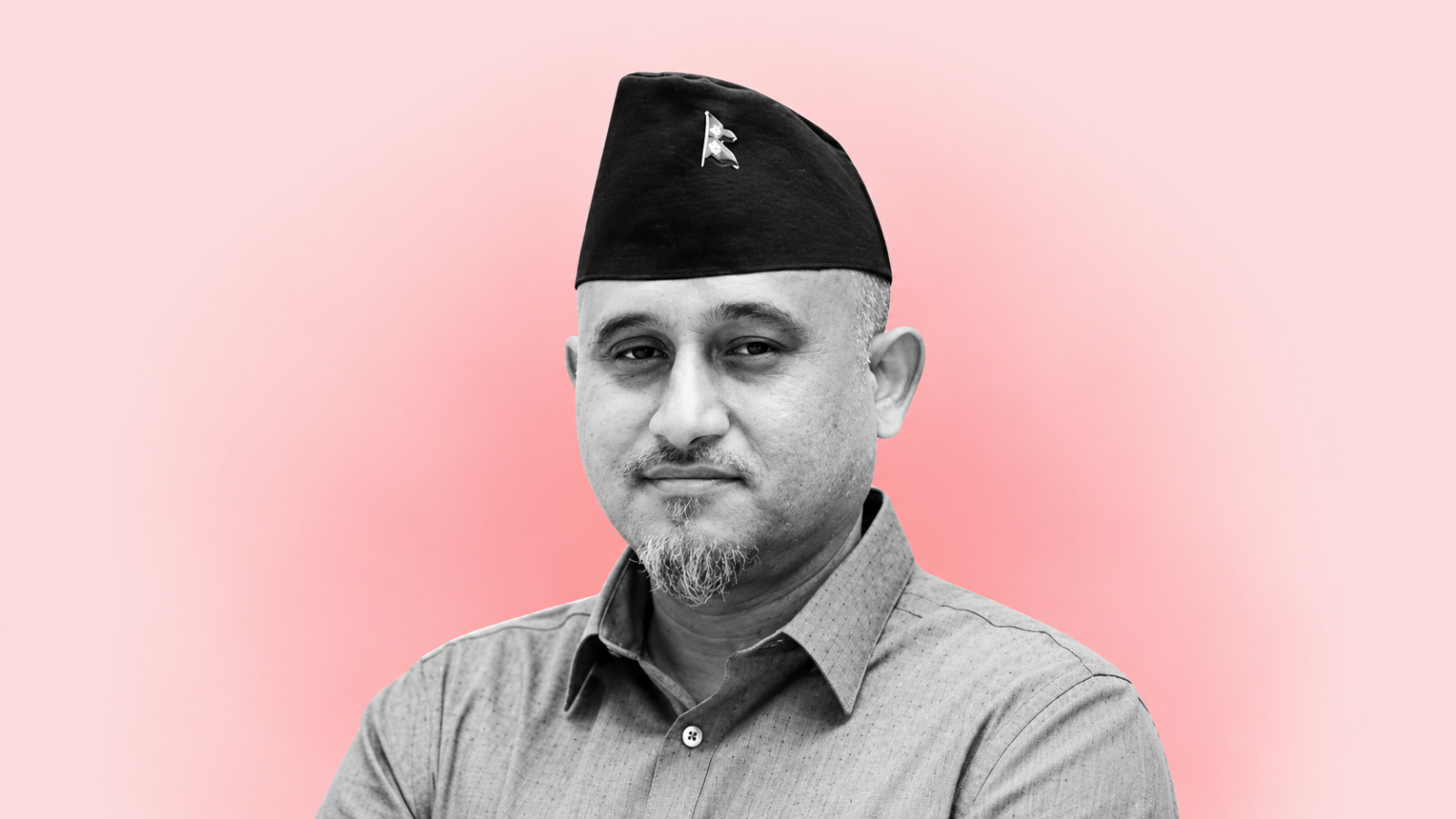
Nepal has experienced revolutions, constitutional changes and repeated promises of transformation. Yet one question has persisted: can changing the political system also change the way politics is practiced? For Ujwal Thapa, founder of the Bibeksheel Nepali movement, that question became a public mission. Before politics, he worked in information technology and entrepreneurship. His political journey grew from civic activism against corruption, injustice and disruptive political practices. His central proposition was that meaningful political change required citizens to participate rather than merely complain about politicians. Source: The Kathmandu Post.
From civic frustration to organised action
In the early 2010s, political uncertainty and frequent general strikes disrupted ordinary life in Nepal. Thapa and his colleagues challenged shutdowns through the idea of Nepal Khula Chha—Nepal is open. The campaign defended citizens’ ability to work, travel and continue daily activities. The group also joined efforts to hold constitution-makers accountable. Its work demonstrated peaceful civic action built around practical demands. As the group developed, the question shifted from how to protest against existing politics to how to participate in changing it.
The birth of Bibeksheel Nepali
In 2012, Thapa and colleagues founded Bibeksheel Nepali Dal, with Thapa as coordinator. Bibeksheel evoked conscientiousness and responsibility in public life. In the 2013 Constituent Assembly election, Thapa and three colleagues ran as independent candidates under a dog symbol, chosen to represent loyalty, honesty and vigilance. None won parliamentary seats, but the campaign introduced a political identity outside established party structures. It emphasised transparency, youth participation and leadership judged through conduct, not only promises.
A movement built around participation
Bibeksheel attracted young citizens interested in public affairs but sceptical of conventional political structures. Professionals, students, entrepreneurs and activists found opportunities for political engagement. Campaigns against corruption and disruptive strikes and involvement in earthquake relief were among its visible activities. Thapa also encouraged younger colleagues to assume leadership responsibility. Yet mobilising volunteers was different from building a nationwide party with sustained resources and organisation. Source: Nepal Press.
When idealism met electoral reality
Public attention did not automatically translate into votes. Established parties possessed local networks, organisational experience and longstanding political loyalties. In July 2017, Bibeksheel Nepali and Rabindra Mishra’s Sajha Party merged to form Bibeksheel Sajha Party. The merger attempted to unite emerging alternative forces, but the organisation split in 2019 and reunited in 2020. These events revealed a crucial tension: a party promising different political practices must also demonstrate them in internal governance and dispute resolution. Source: The Kathmandu Post, 2017.
The leader who did not hold high office
Thapa did not become a parliamentarian or minister. His significance is therefore best examined through the ideas, campaigns and people connected to his movement, rather than through legislation or executive decisions. Colleagues described his willingness to promote new leaders. Civic movements can introduce expectations of accountability without immediately winning elections. But influence should not be confused with completed institutional reform: Bibeksheel’s wider ambitions faced persistent organisational and electoral limitations.
An unexpected farewell
On 1 June 2021, Thapa died at age 44 following complications associated with COVID-19. Tributes came from political colleagues, activists and members of the public. His death meant the loss of a founding figure whose political project was still evolving. But the questions linked to Bibeksheel did not disappear: how can Nepal build accountable parties, encourage youth participation and restore confidence in democratic institutions? Source: The Himalayan Times.
The unfinished challenge
Thapa’s story provides a framework for examining reform across Nepal’s political landscape. Can transparency become an enforceable practice rather than a campaign slogan? Can parties accommodate internal disagreement without repeated fragmentation? Can youth participation expand beyond urban activist networks? Above all, can movements built around personal credibility create institutions that endure beyond their founders? The Bibeksheel experience illustrated both the possibilities and the limitations of citizen-led political initiatives.
From hope to movement—and beyond
Ujwal Thapa’s story cannot be measured only through electoral victories or defeats. It traces a journey from entrepreneurship and civic activism into organised politics, with its share of mobilisation, experimentation and setbacks. Political change cannot rest solely on the character of a founder; it also requires institutions capable of upholding principles, resolving disputes and delivering measurable results. The movement began with hope. Its subsequent journey revealed how difficult it is to turn that hope into lasting political organisation. The question Thapa’s legacy leaves behind is not simply whether Nepal needs alternative political leaders. It is whether alternative political movements can establish a more accountable and sustainable way of practising politics.