Every Dashain, a familiar sentence returns to Nepali homes: “It does not feel like it used to.” Tika and jamara are still part of the celebration. People exchange blessings, buy gifts and prepare festive meals. Yet the anticipation many remember from childhood seems harder to find. Has Dashain lost its magic, or has the world around it changed?
Table of Contents
Dashain: a Lesson from Antarctica
In 1915, explorer Ernest Shackleton’s ship, Endurance, was crushed by Antarctic pack ice. Twenty-eight men struggled to survive in extreme conditions. In April 1916, Shackleton and five companions sailed the small James Caird across dangerous seas to South Georgia. Shackleton, Tom Crean and Frank Worsley then crossed the island’s mountainous interior to seek help at Stromness. The final men awaiting rescue on Elephant Island were saved on 30 August 1916. All 28 survived.
Imagine how shelter, warmth and ordinary food appeared to people who had endured months of cold, uncertainty and deprivation. They were not extravagant luxuries; their circumstances made everyday comforts feel exceptional. Shackleton’s ordeal does not demonstrate that suffering makes people happier. It does remind us how context shapes the value we give to familiar experiences.
When Waiting Made Dashain Special
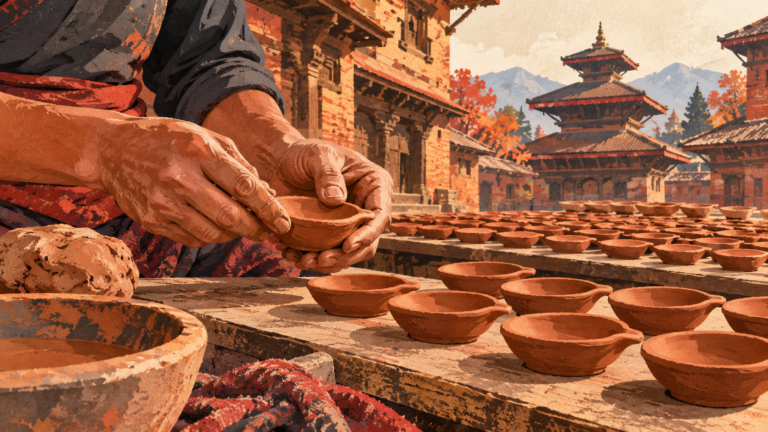
For many Nepali families in previous generations, Dashain meant months of anticipation. A child might receive new clothes only during the festival. Meat or particular sweets could be rare treats. Schools closed, relatives returned home, bamboo swings appeared, and neighbors gathered in courtyards and fields.
Much of the pleasure lay in waiting. Children imagined their outfits long before wearing them. Parents saved for a special meal or a journey home. The festival marked an unmistakable break from everyday routines. Its meaning came not only from what families consumed, but also from what they prepared for together.
In some households today, that contrast has weakened. Clothes can be bought more frequently, restaurant meals are more accessible, and entertainment is always available through a phone. Something that once happened only at Dashain can now occur on an ordinary weekend. The novelty of festive consumption naturally diminishes when the same experiences become routine.
What Psychology Explains
This resembles hedonic adaptation, the tendency to become accustomed to changes in circumstances, including improvements. New possessions or comforts may initially feel exciting, then gradually become normal. But adaptation is not identical for everyone, and researchers caution against assuming that every positive experience loses its value completely.
Crucially, the answer is not to romanticize poverty. A family that can afford nutritious meals all year has gained something important. Children deserve clothing when they need it, not only during a festival. Material progress is valuable even if it makes a few holiday treats less novel. The challenge is to preserve a sense of occasion without preserving hardship.
The Distance Between Families
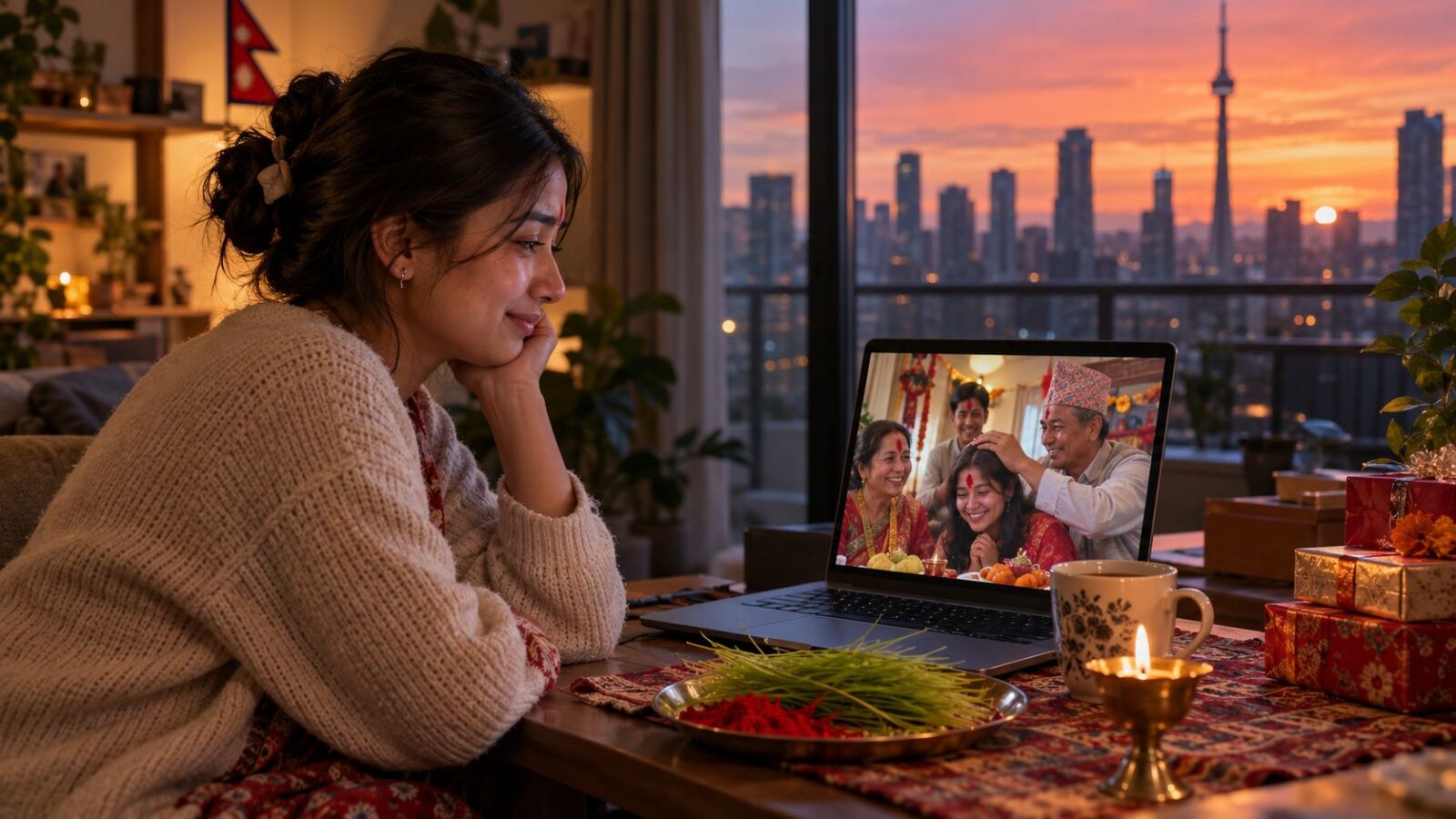
Consumption is only part of the explanation. Migration has transformed Nepal’s family geography. A parent working in the Gulf, a student living in Australia, and grandparents in Nepal may share tika greetings by video call instead of sitting together. Distance cannot be overcome simply by buying a more elaborate feast.
Urbanization has also changed communal life. In a village, children may once have found friends and relatives everywhere they went during Dashain. In a city apartment, celebrations can feel more private. Busy work schedules, travel costs, shorter visits and smaller households reduce opportunities for spontaneous gatherings.
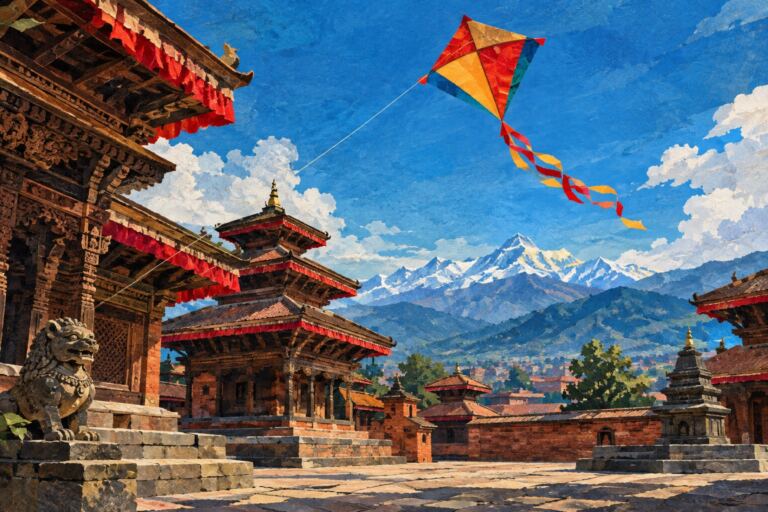
The experience differs widely. Some families still save for their first special meal or new clothes. Some communities retain lively swings, kite festivals and shared gatherings. Others appreciate having greater freedom to celebrate without expensive social obligations. There was never one universal Dashain, and there is no single reason the festival feels different today.
Nostalgia Is Not the Whole Story
Memory also changes our comparison. As children, we experienced celebrations without organizing most of them. Adults paid the bills, cooked the meals, managed travel and negotiated family expectations. As adults ourselves, we often remember childhood excitement more vividly than the hidden labor supporting it.
Nostalgia can therefore be both sincere and selective. The joy we recall was real, but so were the difficulties we did not always see. We cannot reproduce childhood simply by repeating its rituals. What we can do is recognize what made those rituals emotionally powerful: anticipation, belonging, attention and collective participation.
How to Make the Festival Meaningful Again
Families might plan shared preparations instead of treating Dashain as a shopping deadline. Children can help grow jamara, cook traditional dishes or hear elders explain the significance of rituals. Friends can organize kite-flying, music or a neighborhood gathering. A family meal can become memorable when everyone puts away their phones and spends time together.
For Nepalis abroad, small traditions can travel. A simple tika ceremony, a favorite dish prepared with friends, or an unhurried call connecting three generations can give the day emotional substance. Celebrating away from home is not a lesser version of Dashain; it can become another way to sustain cultural connection.
The festival can also be an occasion for generosity. Inviting someone who lives alone, supporting a neighbor who cannot afford celebrations, or reconnecting with a relative after a disagreement may carry more meaning than displaying an expensive feast online.
The Festival We Can Still Create
It is attractive to say that Dashain has stayed the same while we have changed. The more accurate observation is that both society and its festivals evolve. Some pleasures once reserved for Dashain are now ordinary, while the uninterrupted time that makes family gatherings special may have become scarce.
Shackleton’s story offers a contrast, not a prescription. We do not need suffering to appreciate comfort. We need awareness of what matters and the willingness to make room for it. A shared meal may be special not because meat is rare, but because everyone around the table has made the effort to be there.
Dashain may never feel exactly as it did when we were children. That does not mean its best days are over. We can create new memories through connection, kindness and deliberate celebration. Perhaps the most valuable gift this year will be neither new clothes nor a costly meal, but our full attention to the people beside us.