Madeleine Jaye met Ram at a momo cooking class in Nepal. What began with a shared encounter around food became a relationship, a Hindu wedding and a life divided between two countries. For the 25-year-old from Nottingham, Nepal became somewhere to return to, and a place where she could imagine growing old.
Their story has travelled through British and international newspapers, often beneath headlines about abandoning law for a jungle village. The details offer a more interesting picture: a young woman reconsidering ambition, a Nepali family welcoming her, and a marriage sustained by work in Britain as well as time together near Pokhara.
It is a love story, but it is also a story about the practical arrangements behind a different kind of life.
A meeting that changed the journey
The Daily Mail’s October account places the couple’s first meeting at a momo class while Madeleine was travelling. She describes a connection that developed quickly, saying she had Ram’s name tattooed after just two weeks.
That detail captures her confidence at the beginning. The more substantial commitment came later: returning to Nepal repeatedly and making space for the relationship within her working life. A holiday encounter became something that had to survive departures, different routines and the distance between visits.
Earlier coverage published in March 2026 described their relationship before the wedding and their plans to marry that May. The later reporting describes the ceremony as having taken place. The two accounts provide a glimpse of a relationship developing beyond its first rush of certainty.
A wedding that brought families closer
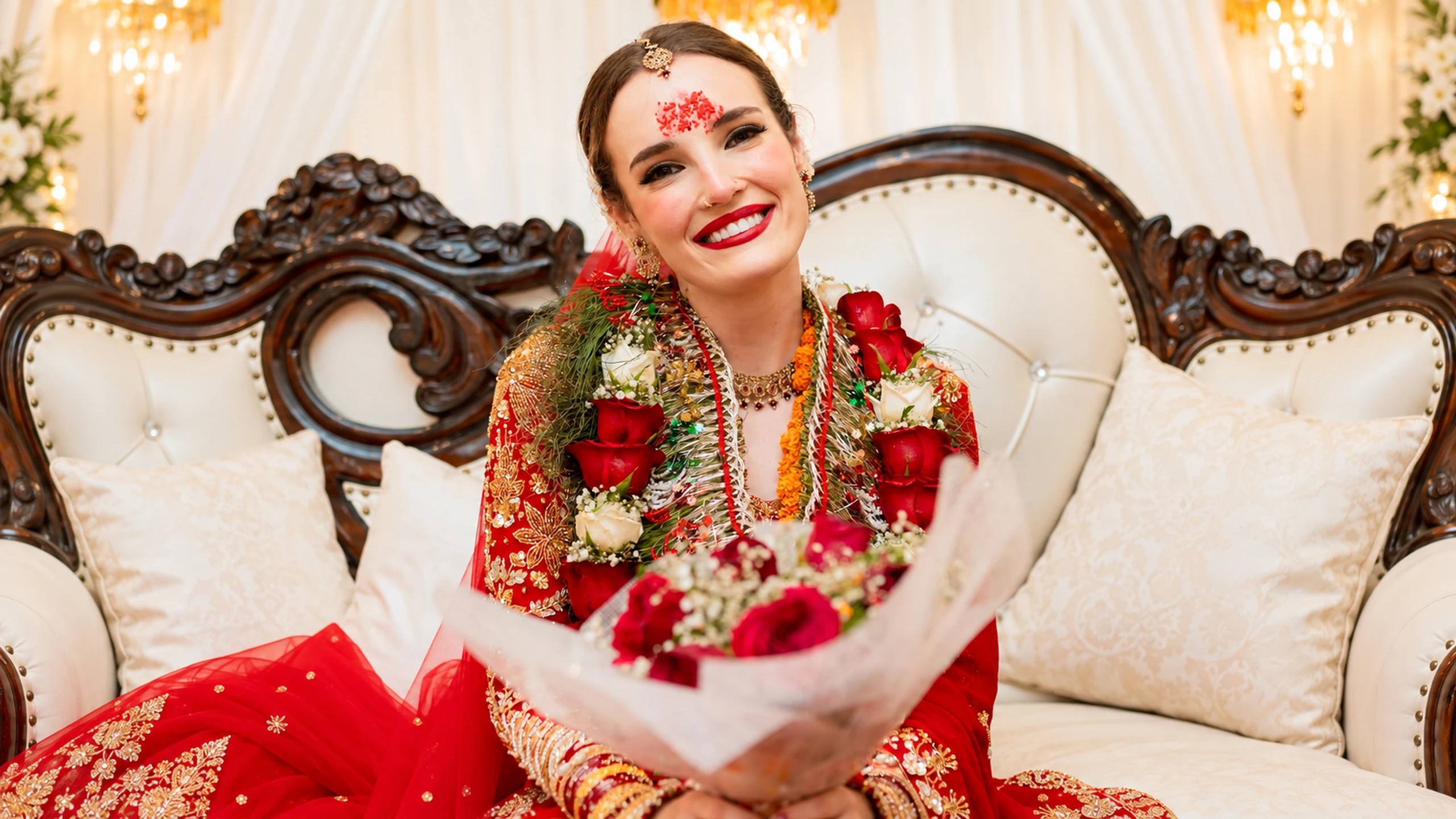
Madeleine and Ram married in a Hindu ceremony in May 2026, the October reports say. Her mother travelled from Britain to attend, making her first journey outside Europe and joining in the wedding traditions.
For Madeleine, that support fits a wider family attitude. She says her parents encouraged her to make her own choices, and her mother has continued to support the life she is building. The wedding brought that encouragement into a new setting, with her mother participating rather than watching from home.
The significance extends beyond the ceremony. Choosing a partner in another country also means forming relationships with people whose habits and expectations may be unfamiliar. In this case, Madeleine’s account places Ram’s family close to the centre of everyday life, not at the edge of a romantic adventure.
Available reporting centres on Madeleine’s experience. It offers less detail about Ram’s expectations, his work or how the couple make daily decisions together. That imbalance matters: a marriage across cultures is also the story of the partner whose home becomes another person’s new beginning.
What everyday life looks like
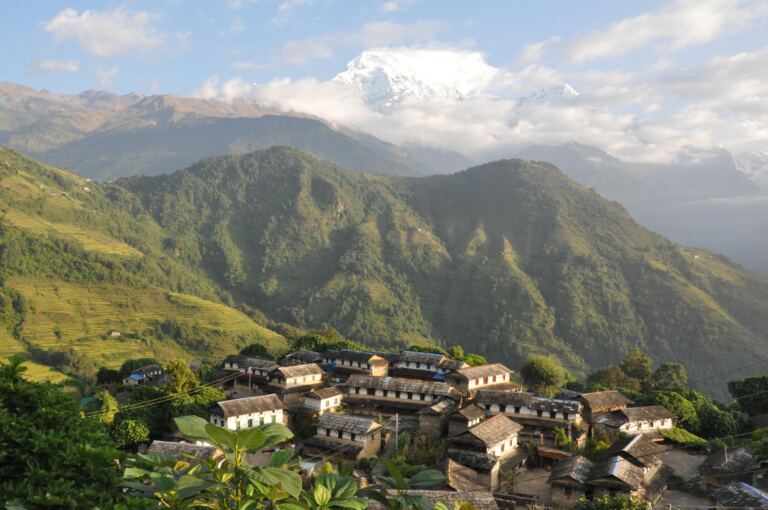
The couple spend their time in Nepal in a small village described as about 25 minutes from Pokhara. Madeleine says their home lacks hot water, a refrigerator and a washing machine, and that meals are cooked over an open fire.
Her description of a good day is less about possessions than activities: swimming, fishing, tea, motorbike rides, visiting friends and trips into the mountains. She also speaks about learning where food comes from and caring for plants and animals.
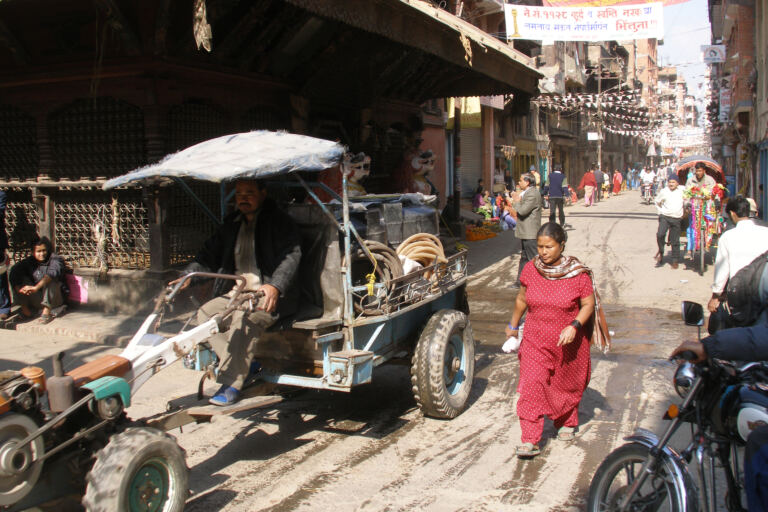
These are her experiences of one household. They should not become a shorthand for all of Nepal, or for the lives and ambitions of everyone living outside its cities. A visitor may find relief in an unfamiliar routine while a long-term resident wants greater convenience, better infrastructure or different opportunities.
Both responses can be reasonable. The appeal in Madeleine’s account lies in finding a household and rhythm that suit her, rather than proving that one country knows how everyone ought to live.
Grief and a different measure of success
Madeleine had spent four years studying law in Sheffield and says she once imagined a conventional professional future: a position at a large firm, higher earnings and steady advancement. Her father’s death from cancer at 54 changed how she thought about that plan.
She describes losing him shortly before he could enjoy the life for which he had worked. That loss made the promise of postponing happiness feel less secure. Time with someone she loves began to carry greater weight than the status of a particular career.
This is a personal response to bereavement, not a prescription for other people’s working lives. Secure employment and professional ambition can serve families well. Her choice matters because she appears to have reconsidered what she wanted her work to make possible.
The distinction also corrects an exaggeration in some headlines. The reporting describes law studies and plans for a legal career; it does not establish that she had already built the highly paid legal practice those headlines might suggest. She also leaves open the possibility of returning to law.
The British work behind the Nepal routine
Madeleine has not stopped earning. She runs a personal-assistant business providing live-in care and works placements in Britain lasting roughly six to 12 weeks, with accommodation included. She then takes a comparable period away to spend with Ram in Nepal.
That arrangement is essential to understanding the story. Her time in the village is supported partly by income earned elsewhere. The weeks of swimming and mountain trips belong alongside weeks of demanding care work, not in place of them.
It also makes their marriage a continuing exercise in planning. Work provides money but requires separation. Time together requires room in the calendar. The balance is possible because of her particular employment arrangements; the same pattern would not be available in every job.
For readers familiar with life organised around repeated returns to Nepal, that tension may be more recognisable than the headline’s dramatic escape. Love does not remove the need to earn, and earning does not remove the desire to be present.
Low spending, with important context
Madeleine reports spending about £300 a month while in Nepal. She says Ram’s family pays about £20 in monthly rent and does not require her to contribute. The household also grows or produces food.
She links those modest personal expenses to buying her first home in Yorkshire, reportedly priced at £170,000. Those figures are her reported circumstances, not an independently audited budget or a general estimate of what another person would need to live in Nepal.
Family support changes the calculation. Accommodation without a personal rent payment and access to household food reduce what she must buy. They also represent contributions by other people, even when those contributions do not appear as spending in her own budget.
The public reports do not provide a full breakdown of her income, savings, deposit or mortgage arrangements. Buying a property at that price should therefore not be confused with evidence that she saved the entire purchase price in cash. The available information supports a narrower conclusion: she says her current arrangements have helped her save.
The difference between personal spending and a full household budget matters here. Her quoted figure should not be used to price another person’s move, especially if they would need to rent separately, support dependants or travel regularly. Nor does it reveal how the family divides unpaid work. The useful lesson is to examine the arrangements behind a low spending figure before treating it as a widely available way to finance life across two countries.
A chosen life still has difficult seasons
Madeleine’s account includes discomfort as well as contentment. She finds the monsoon months difficult, and January cold when the household fire has gone out. The absence of heating becomes a practical concern rather than a picturesque detail.
She also describes livestock and pets lost to predators around the village. These are reported personal observations; they do not establish a wider wildlife assessment or make every rural home near Pokhara a place of the same risks.
Such details complicate an easy paradise narrative. Living close to land and animals brings responsibilities alongside pleasure. Enjoying a slower pace does not mean that chores, weather or loss disappear.
Her willingness to describe those difficulties helps explain the choice more clearly. She says she remains happy with the life she has chosen while recognising parts of it that are hard.
A home in more than one place
The couple plan eventually to buy property in Nepal and retire there, according to the October reporting. For now, their life continues across borders, with Britain providing work and Nepal providing much of their time together.
Madeleine still speaks warmly about England. She presents Nepal as a source of a different happiness, and says living there has also deepened her appreciation of things in Britain. Belonging to one place need not require dismissing the other.
Return to the momo class and the story becomes smaller, and more human, than its headlines. Two people met. A traveller kept coming back. Families became involved. A wedding followed. The future still needs planning, earnings and compromises. The remarkable part is not that love abolished those demands. It is that the couple are arranging their lives around making room for each other.
The journey now includes a return.