From the film set to the bookshelf and the radio studio, Prakash Sayami has spent decades exploring how Nepal tells its stories—and how it remembers them.
A film can preserve a face, a book can recover a forgotten voice, and a radio programme can make an old song sound newly relevant. For Prakash Sayami, these are not entirely separate pursuits. They are different ways of attending to the cultural life of Nepal.
Sayami’s career crosses several professions that are often treated as distinct: film direction, poetry, essays, broadcasting and the study of music. The common thread is an interest in storytelling and in the artists whose work survives long after its original audience has moved on.
Learning the language of film
Born in Kathmandu in 1965, Sayami studied filmmaking in Bombay, now Mumbai. By 1986 he was working as an assistant director and scriptwriter on commercial Nepali films. He subsequently directed feature films including Prithvi, Seemana, Avatar, Rani Khola, Zamin and Hatiyar.
His move into direction coincided with a period when Nepali cinema was seeking both commercial audiences and a more distinctive screen identity. Filmography records place Prithvi in 1994, with Seemana following in 1996. Those credits establish the practical side of a career sometimes discussed more for its literary and cultural interests.
Filmmaking is an unusually collaborative art. A director must turn words into performances, images and rhythm, while also navigating the financial constraints of production. Sayami’s later writing about cinema suggests an enduring interest not only in finished films but in the craft and institutions behind them.
The writer behind the camera
Sayami did not leave storytelling behind when he stepped away from regular film direction. He expanded it onto the printed page. His books include Chalchitra: Kala ra Pravidhi, on film art and technique; Ray: The Man of Cinema; Kathmandu Selfie; Kathmandu Montage; and Ghalibko Chihan.
The subjects are revealing. Film technique sits alongside poetry, personal reflection and the changing character of Kathmandu. His writing approaches culture not simply as entertainment but as something worth examining, recording and debating.
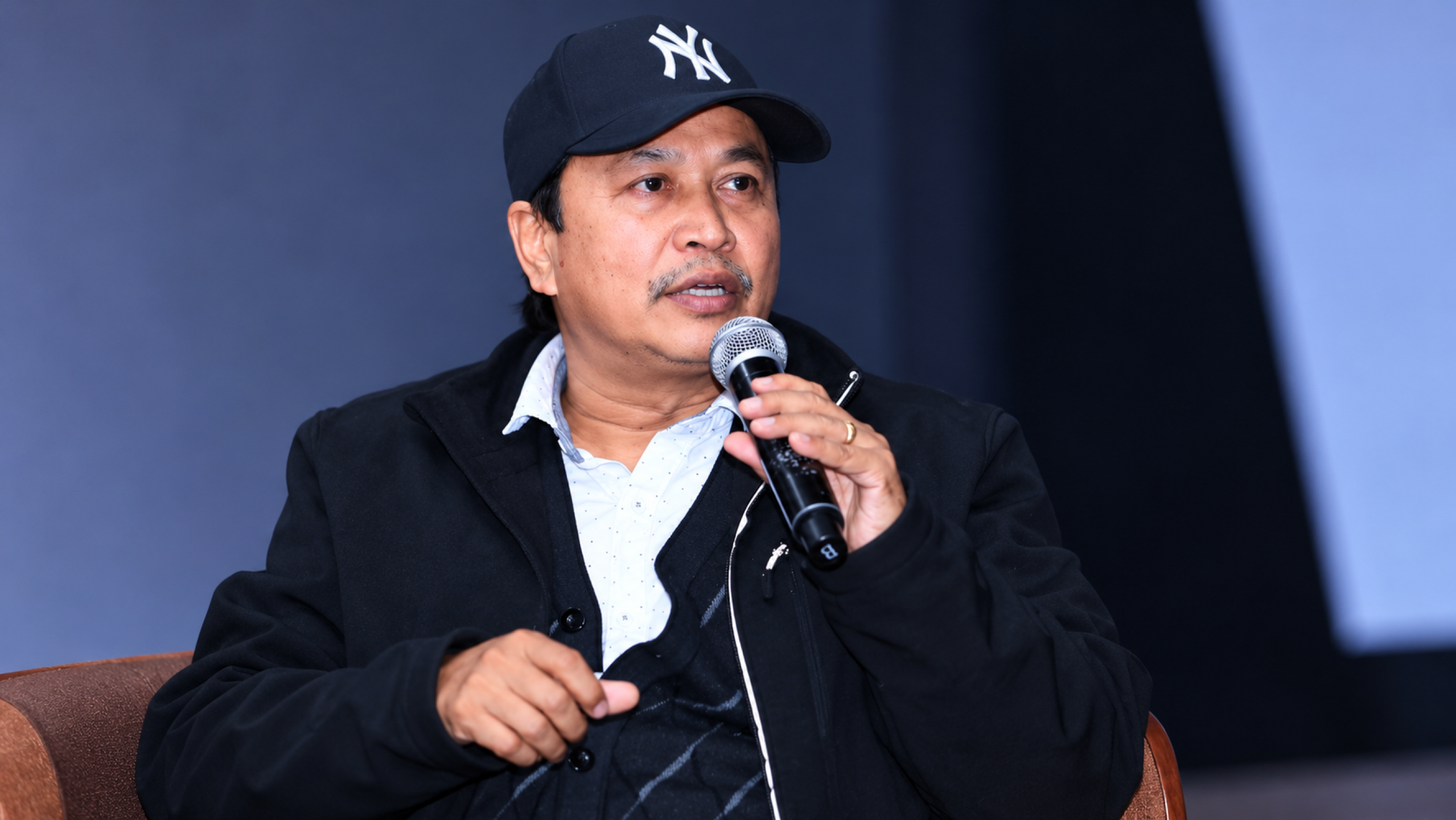
In a December 2024 interview with The Kathmandu Post, Sayami discussed his beginnings as a writer, his filmmaking experience and the difficulties confronting creative people. The interview also described his longstanding habit of collecting books. It is an apt detail for an artist whose work moves so readily between reading, watching and listening.
Keeping music in public memory
Music is another important part of Sayami’s work. He has written about the history of Nepali music, including Nepali Sangeetko Ek Shatak, and worked in radio broadcasting. Such work matters because a country’s musical heritage is more than a playlist of familiar hits. It also consists of composers, lyricists, performers, recording practices and the circumstances in which songs were made.
In 2008, Sayami was elected vice-president of Nepal’s Music Royalty Society, according to the Nepali Movie Database. That role connected his cultural interests to a practical issue: the rights of the people who create music. Preserving artistic memory and protecting artistic livelihoods are different tasks, but both shape whether creative work can endure.
A return through Narayan Gopal
One of Sayami’s more recent projects brings his interests in literature, music and film together. In 2024, he launched Swar Samrat Narayan Gopal, a biography of the celebrated singer. At an event in Pokhara, he announced plans to adapt the book into a biographical film and described the project as a return to directing.
That announcement was significant, but it should not be mistaken for evidence that the film has been completed or released. It was a stated plan, not a confirmed premiere.
Narayan Gopal is a particularly fitting subject for Sayami. To tell the story of a singer is also to reconstruct the people, places and changing tastes around the music. A responsible biographical film must distinguish remembered anecdotes from documented history. Sayami’s experience as a writer and broadcaster gives him several tools for approaching that challenge.
More than one artistic identity
It is tempting to describe a figure with so many occupations as versatile and leave the assessment there. Yet versatility by itself tells us little about the quality or consequence of the work. Sayami’s more interesting contribution lies in the connections he has made between forms: the cinema that translates a script into images, the essay that interrogates a cultural moment, and the broadcast that introduces a song to another generation.
Nepal’s cultural history is not preserved automatically. Films become difficult to find, recordings deteriorate, and the people who remember how works were made grow older. Books, interviews and carefully researched films can help resist that loss—provided their claims are checked and their sources remain accessible.
For Sayami, the distance between literature and cinema has rarely been very great. Both depend on the ability to observe, select and give shape to human experience. His career is best understood not as a succession of unrelated jobs, but as a continuing attempt to make Nepal’s stories visible, readable and audible.